8 hr
Rocky Mountain National Park Full-Day Tour from Denver
- Expert local guide
- Small group
- Skip-the-line access
- Free cancellation
Rocky Mountain National Park Tours from Denver — Reserved Alpine Access
Tundra meadows and elk crossings above treeline, seventy miles west of the Front Range
Compare fares, pick the fit — all bookings are mobile-voucher and eligible for free cancellation where shown.
8 hr
9 hr 30 min
5 hr
| Experience | From | Duration | Rating | Pickup | Small group | Free cancel. | Price | |
|---|---|---|---|---|---|---|---|---|
|
Guided Experience
Most popular
Rocky Mountain National Park Full-Day Tour from Denver
|
Denver | 8 hr | ★ 4.9 | ✓ | ✓ | ✓ | $179 | Book → |
|
Guided Experience
Rocky Mountain National Park Day Trip with Picnic from Denver
|
Denver | 9 hr 30 min | ★ 4.9 | ✓ | ✓ | ✓ | €148 | Book → |
|
Standard Entry
Red Rocks, Evergreen & Echo Lake Mountain Tour from Denver
|
Denver | 5 hr | ★ 4.9 | — | ✓ | ✓ | €78 | Book → |
Worth it if you value stress-free logistics
Rocky mountain national park tours from denver typically run $100–140 per person and bundle transportation, park entry, and guided commentary. Compare that to driving yourself: the standard per-vehicle entrance fee is $30, plus gas (~$25–35 round-trip for a sedan), tolls, and 2.5 hours each way navigating mountain roads. Tours eliminate the hassle of finding parking before 7 a.m., decoding Trail Ridge Road closures, and managing altitude transitions. You also gain wildlife-spotting expertise from a guide who knows where elk congregate and when marmots emerge. The trade-off is less freedom—most tours allocate 4–5 hours on-site, which can feel rushed if you want to hike beyond quick overlook stops. For solo travelers or couples without a vehicle, the math shifts heavily toward tours since rental cars and insurance can exceed $80 per day. Self-drivers who enjoy alpine roads and want to linger at trailheads will find better value going independent, but groups of three or more often break even on cost while gaining narrated context and zero navigation stress.
Bottom line: Rocky mountain national park tours from denver tickets pay off when convenience and expert context outweigh the premium over self-driving.
Hand-picked experiences loved by thousands of travelers
8 hours
Free Cancellation
Full-day adventure exploring Colorado's alpine wilderness with wildlife viewing and village charm
4 hours
Free Cancellation
Half-day wilderness adventure into the Rockies with small-group exploration and scenic mountain vistas
8 hours
Free Cancellation
Journey through Colorado's high country with stops at Red Rocks, Continental Divide vistas, and a historic mountain town
4 hours
Free Cancellation
Escape the city for a half-day alpine adventure with stunning views, wildlife spotting, and fresh air
3 hours
Free Cancellation
Watch the sun dip behind snow-capped peaks on an evening trail adventure in the Colorado Rockies
8 hours
Free Cancellation
Full-day alpine expedition with wildlife spotting, tundra hiking, and scenic picnic in the Rockies
Check in for current trail conditions and weather updates.
Drive the highest continuous paved road in America.
Explore alpine lakes and glacial scenery.
View the tundra at over 11,000 feet.
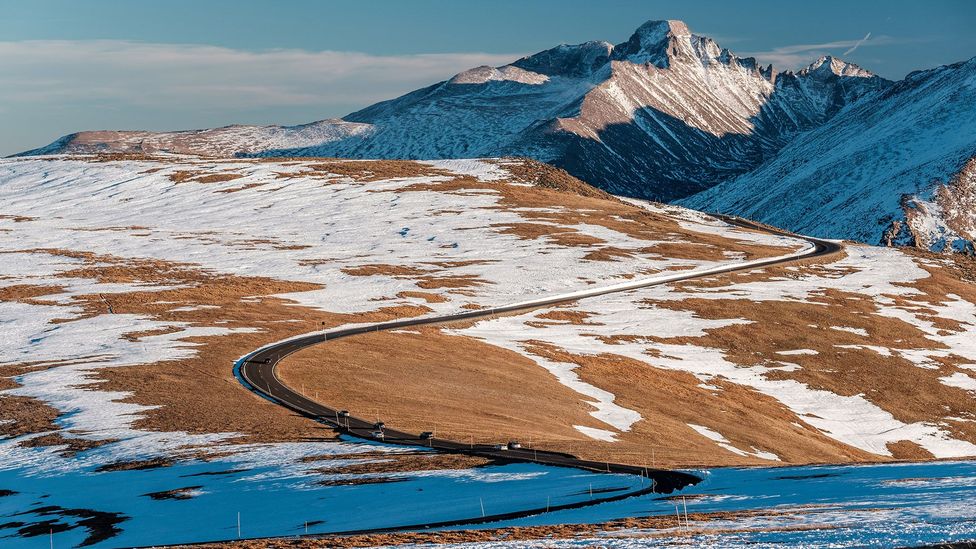
The highest continuous paved road in America reaching over 12,000 feet in elevation.
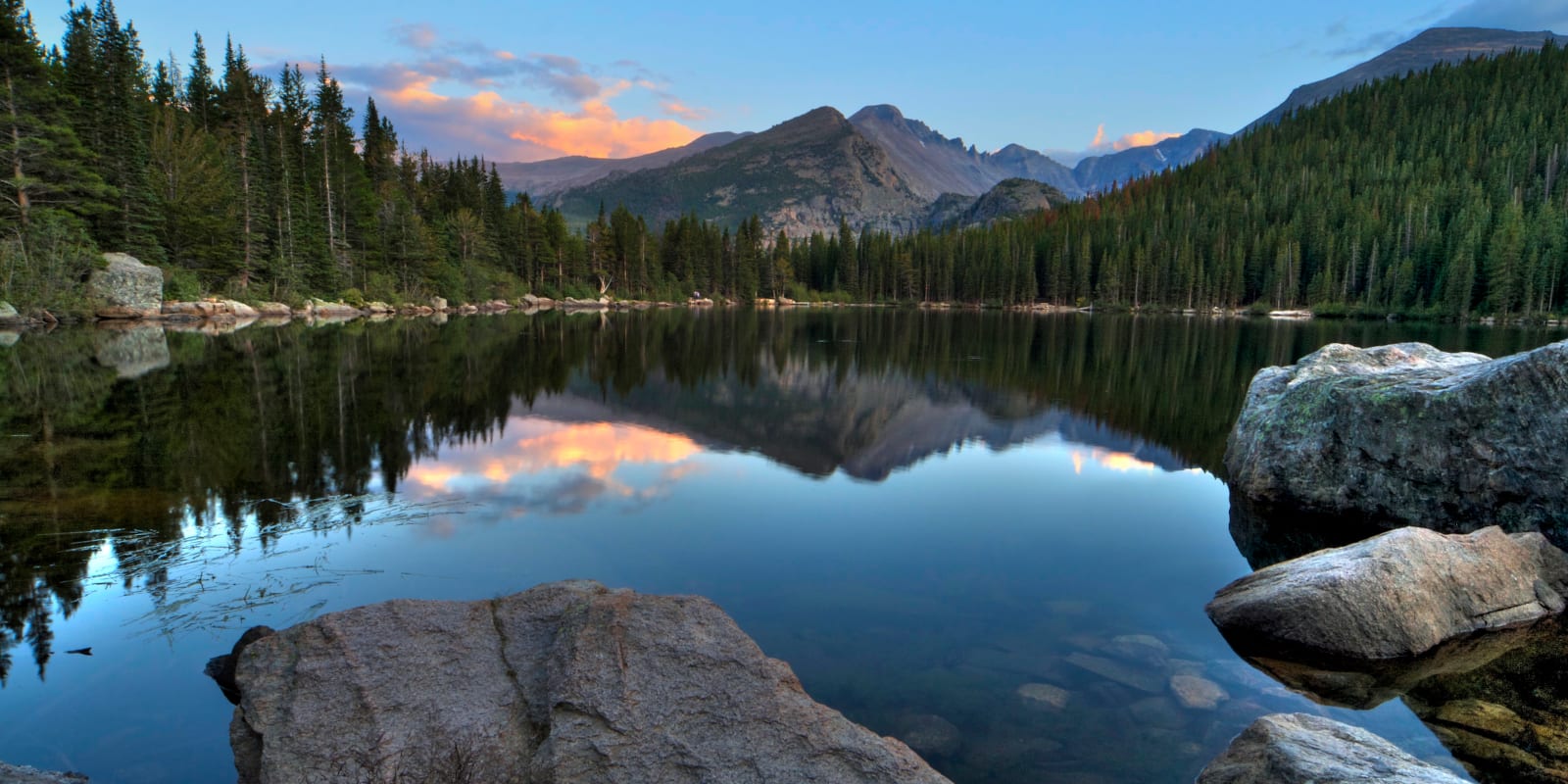
A highly accessible subalpine lake surrounded by jagged mountain peaks and forests.
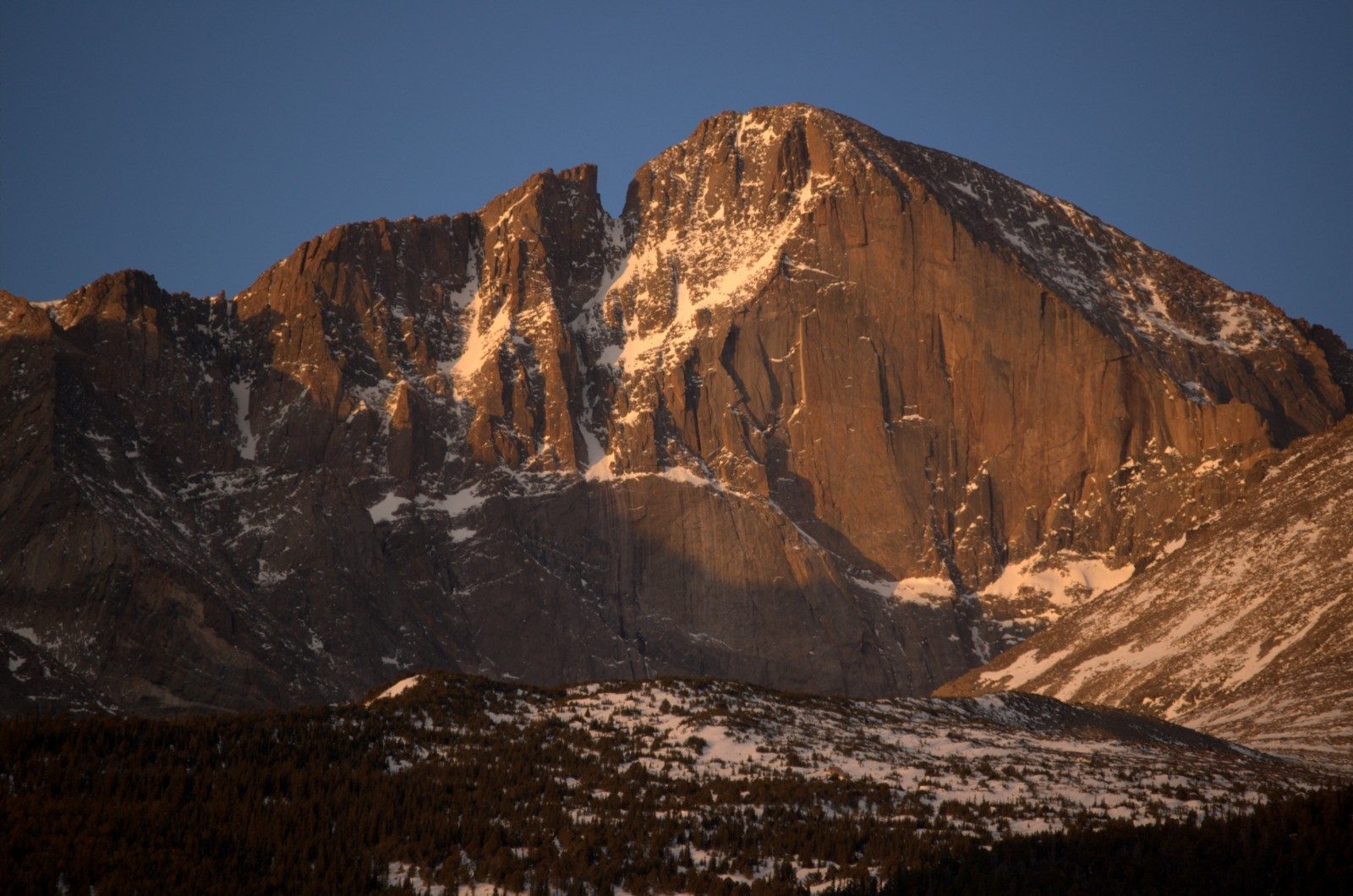
The park's tallest summit, reaching 14,259 feet above sea level.
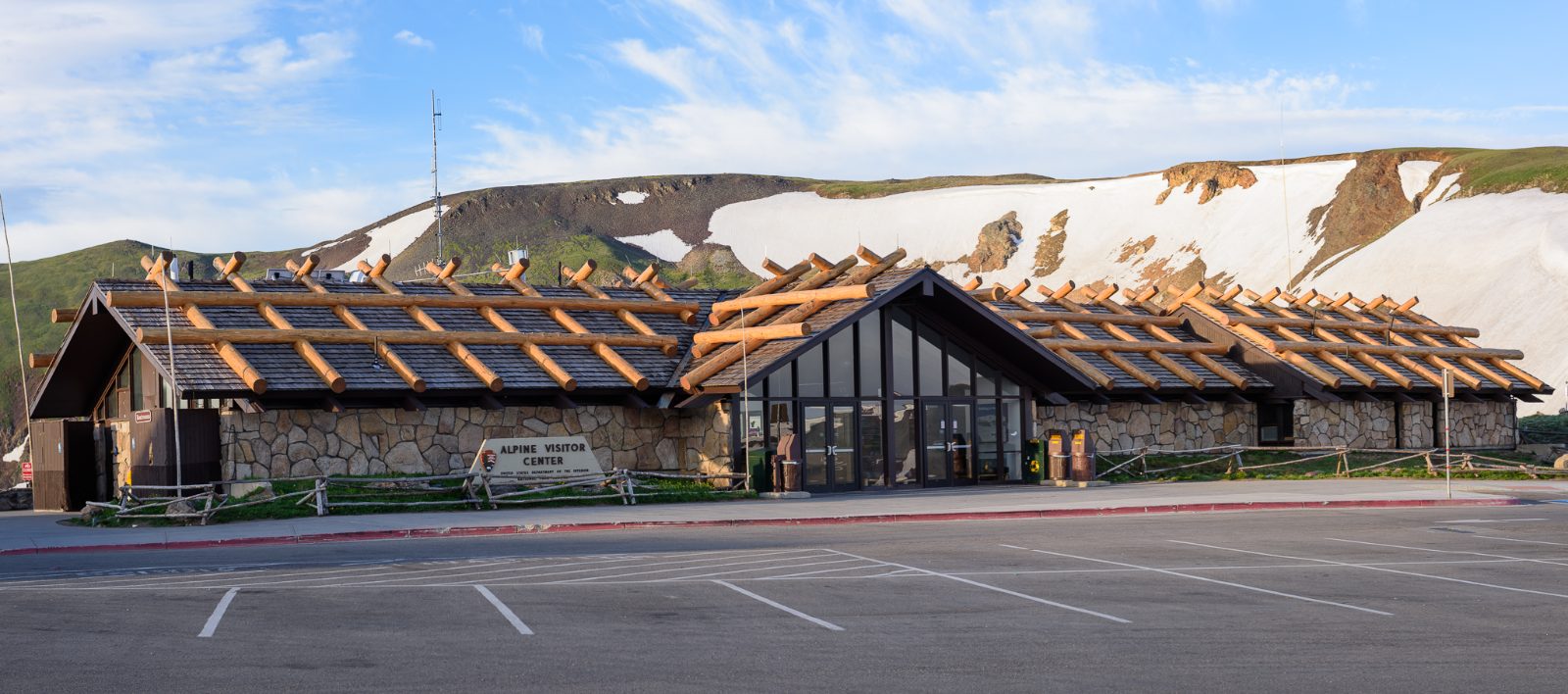
Located at 11,796 feet, it provides unique insights into the fragile tundra ecosystem.
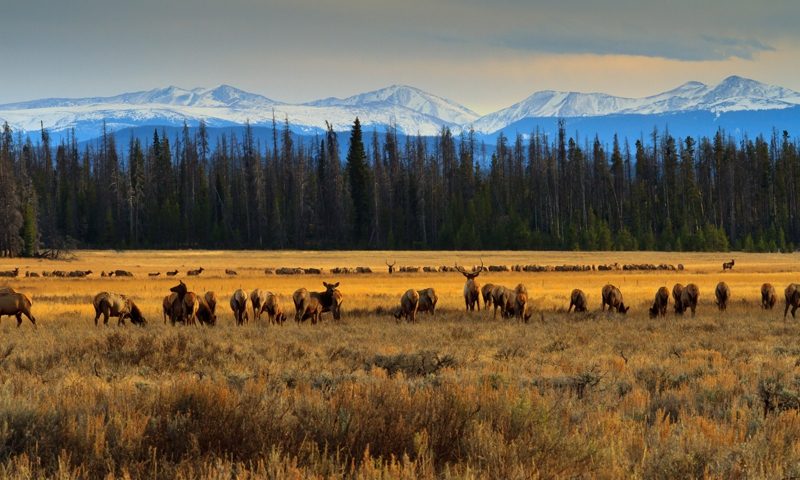
A stunning valley on the west side of the divide known for elk and moose sightings.
You leave Denver before dawn, crossing the plains as the Front Range sharpens against first light. The tour enters Estes Park by 7:30, bypassing the reservation queues that form by mid-morning.
Your guide stops at Sheep Lakes overlook, where bighorn rams graze salt licks deposited by spring runoff—binoculars reveal the curl of horns against granite.
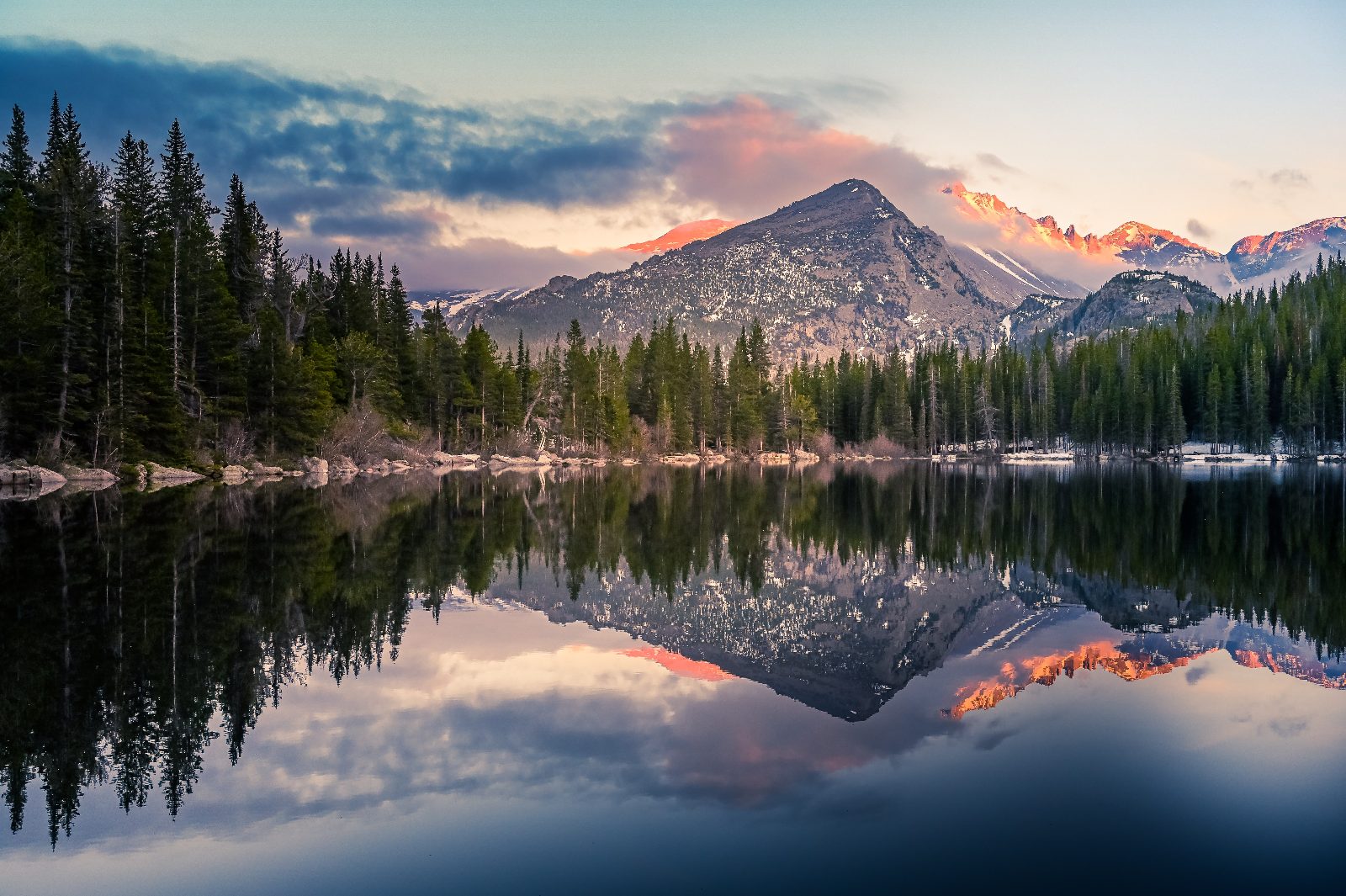
The vehicle climbs Bear Lake Road through lodgepole corridors, emerging at the trailhead by 8:45. You walk the paved half-mile loop circling Bear Lake's shoreline, where Hallett Peak's summit pyramid reflects in still water. The guide identifies whitebark pine cones cached by Clark's nutcrackers, explaining the symbiosis that seeds high-elevation forests. Returning to the tour, you ascend Trail Ridge Road through eleven switchbacks, leaving treeline at Forest Canyon Overlook.
By noon you stand on the Alpine Visitor Center deck at 11,796 feet, surrounded by tundra that will brown within weeks. The guide points west toward Never Summer Mountains, tracing the Continental Divide. You spend twenty minutes on the Tundra Communities Trail, stepping carefully on fragile moss campion and alpine avens. Descending the eastern slope, the tour pauses at Rainbow Curve, where the Mummy Range unfolds in layered ridges. You return to Denver by late afternoon, having crossed two ecological zones and 6,000 vertical feet without touching a reservation screen.
All the details about your upcoming adventure in one place
Rocky Mountain National Park tours from Denver transport visitors 65 miles west to alpine terrain spanning 415 square miles across the Continental Divide. These full-day rocky mountain national park tours from denver typically include Trail Ridge Road (the highest continuous paved road in North America, reaching 12,183 feet), wildlife viewing opportunities for elk and bighorn sheep, and access to trailheads like Bear Lake and Emerald Lake. Most rocky mountain national park tours from denver tickets cover park entry fees, guided interpretation of subalpine ecosystems, and round-trip transportation from downtown hotels.
Congress carved Rocky Mountain National Park from 415 square miles of Front Range wilderness in 1915, eleven years after Enos Mills launched his preservation campaign from a cabin below Longs Peak.
The park protects 77 summits above 12,000 feet, including the 14,259-foot Longs Peak massif that anchors the Continental Divide through north-central Colorado. Trail Ridge Road, completed in 1932, climbs to 12,183 feet and remains the highest continuous paved route in the United States, threading tundra ecosystems that exist nowhere else south of the Arctic Circle.
Rocky Mountain National Park tours from Denver traverse the transition zones that define Colorado's montane architecture. Ponderosa parklands at 7,500 feet give way to subalpine spruce-fir corridors, then krummholz thickets where wind-sheared trees crouch below ridgelines. Above 11,400 feet, alpine tundra blooms in eight-week pulses between snowmelt and first frost. The park sustains 60 mammal species, including the largest elk herd on Colorado's Front Range—more than 800 animals winter in lower valleys and migrate to high meadows each June. Bighorn sheep traverse cliffs near Sheep Lakes, while moose occupy willow wetlands along the Colorado River headwaters.
The Bear Lake corridor concentrates trailheads within a glacial basin beneath Hallett Peak and Flattop Mountain. Dream Lake and Emerald Lake reflect Tyndall Glacier's remnants, while the Loch Vale trail follows Icy Brook through cirques sculpted 20,000 years ago. Wild Basin, the park's quieter southeastern quadrant, extends trail systems toward Ouzel Falls and Bluebird Lake. Rocky mountain national park guided tours from denver emphasize wildlife corridors and geologic interpretation—guides track rutting elk in autumn, identify ptarmigan molts in tundra zones, and explain the park's role as headwaters for the Colorado River system that supplies 40 million people downstream.
The park's standard per-vehicle pass costs 30 dollars for a single day, with an additional per-person nonresident fee applied at entry stations. Timed-entry reservations run from late May through mid-October for Bear Lake Road and the entirety of Trail Ridge Road, limiting vehicle access during peak daylight hours. Rocky mountain national park day tour from denver options navigate these restrictions through pre-secured permits, allowing visitors to bypass reservation complications. The park operates year-round, though Trail Ridge Road closes from first heavy snow—typically mid-October—until late May plowing cycles complete.
Trail Ridge Road threads tundra ecosystems that exist nowhere else south of the Arctic Circle.
Wear sturdy hiking boots and moisture-wicking layers suitable for rapidly changing high-altitude mountain conditions.
Keep all food and scented items in bear-resistant containers or locked vehicles to deter wildlife. Security patrols operate throughout the park.
Commercial filming and professional photography may require a special use permit; casual photography of the landscape and wildlife is permitted.
Junior Ranger programs are available for children; always keep young hikers close and strictly on marked trails.
Many visitor centers and select trails offer wheelchair access; consult the park accessibility guide for specific slope and terrain details.
No food service is provided within the park; visitors should bring all necessary water and sustenance for their journey.
Operating Hours
00:00–23:59
Address
1000 US Hwy 36, Estes Park, CO 80517
Accessibility
Accessible trails and visitor centers available
Best arrival
00:00–07:00
Luggage
No storage provided; secure valuables in vehicle
Info Phone
970-586-1206
Car · Varies · Gas required
Follow US Hwy 36 from Estes Park to reach the main entrance.
Bus · 3 hours · Varies
Bustang service available on weekends from Lyons to Park & Ride.
Timed entry reservations are non-refundable. The standard per-vehicle 1-day pass entrance fee is 30 USD (additional per-person nonresident fee applies).
Recommended time
Full day
A successful visit requires a full day to navigate the park and manage mountain traffic. When planning your rocky mountain national park tours from denver, prioritize an early departure to secure parking, as popular trailheads fill quickly. Securing your rocky mountain national park tours from denver tickets and entry reservations is essential to avoid delays, allowing more time to enjoy the alpine scenery and mountain air rather than sitting in congestion.
Crowd levels through the day
Weather · crowds · average price — dots go green to amber to red as each metric rises.
Snowmelt causes muddy trails; unpredictable weather dominates.
Peak season with full access to high-country trails.
Features the elk rut and vibrant aspen colors.
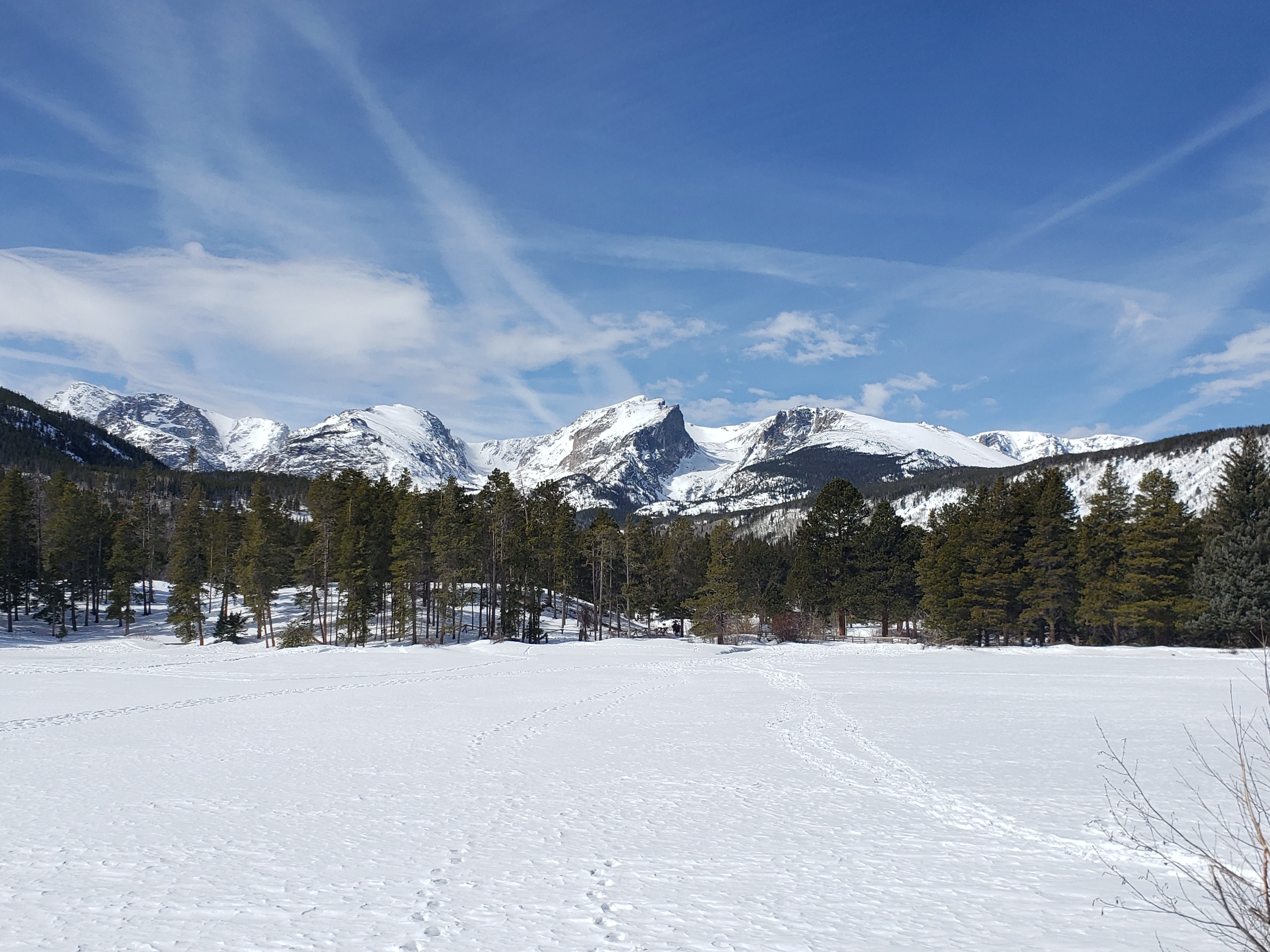
Deep snow limits road access but offers solitude for snowshoeing.
Enter before 07:00 to avoid congestion and ensure parking at popular trailheads.
Do not venture off marked paths to protect sensitive alpine tundra.
High altitude causes dehydration; increase water intake throughout your visit.
Conditions at 12,000 feet change rapidly regardless of the valley forecast.
Maintain at least 75 feet from elk and 150 feet from bears; never approach wild animals.
1000 US Hwy 36, Estes Park, CO 80517
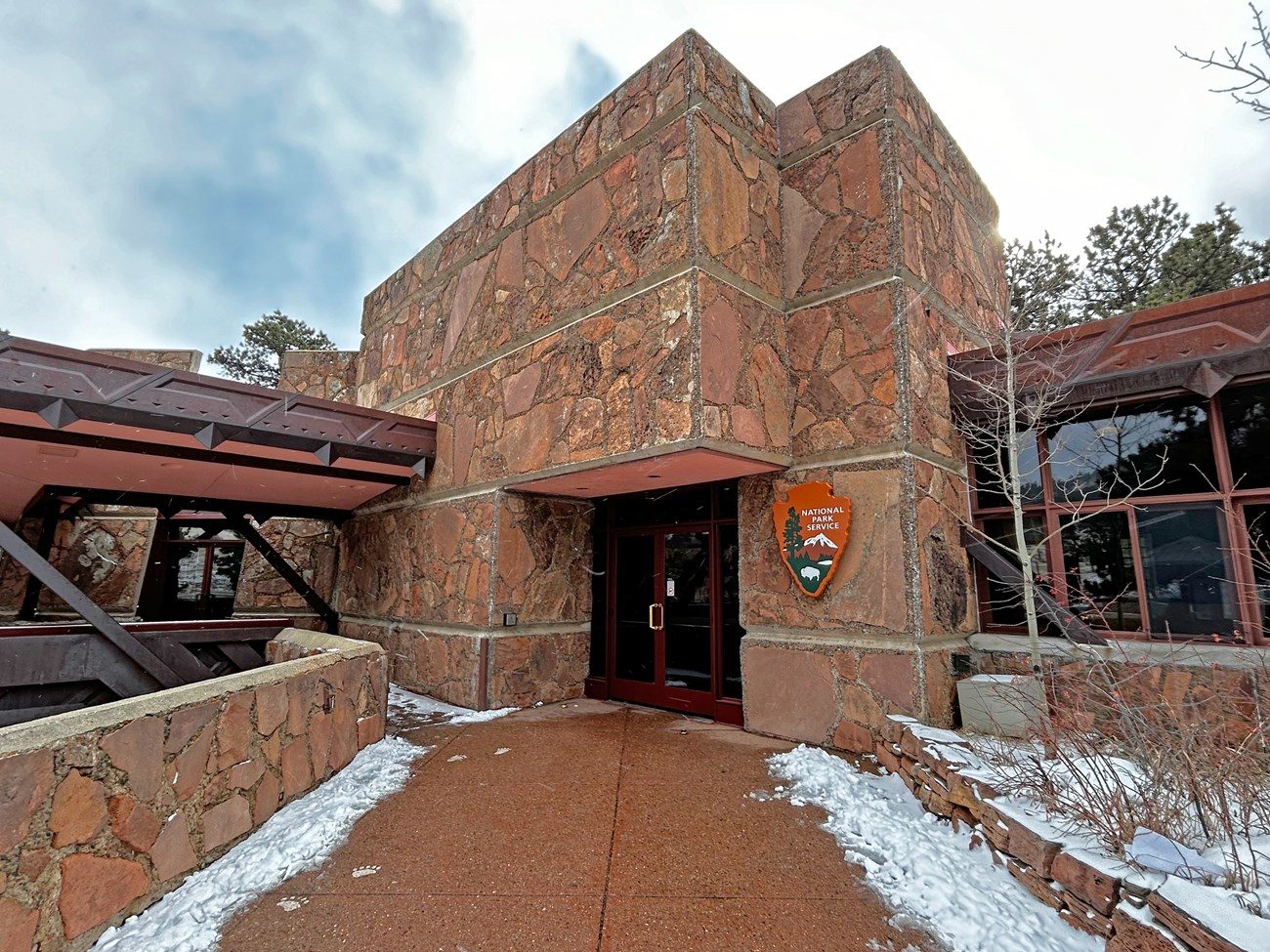
Park headquarters and information station
Get directionsLong before rocky mountain national park tours from denver became a coveted escape, the Ute and Arapaho peoples traversed these alpine ridges seasonally, following game and gathering plants above 10,000 feet. Euro-American prospectors arrived in the 1850s, drawn by rumored silver deposits along Fall River, but the thin veins yielded little profit and the valleys remained largely undisturbed through the Civil War era. By the 1870s, homesteaders like Abner Sprague established dude ranches in Moraine Park, offering Eastern tourists horseback access to what they marketed as America's unspoiled alpine wilderness. Enos Mills, a naturalist who settled near Longs Peak in 1884, spent three decades lobbying Congress to preserve the range from mining claims and logging operations that threatened Trail Ridge's fragile tundra. President Woodrow Wilson signed the enabling act on January 26, 1915, creating the tenth national park and protecting 358 square miles of glacier-carved valleys and montane forest. The infant park had no paved roads; visitors rode horses or wagons up the old carriage trail to Bear Lake, a journey that took half a day from the Estes Park railhead. The Bureau of Public Roads began grading Trail Ridge Road in 1929, blasting through granite ledges and engineering switchbacks that would carry automobiles above treeline without exceeding a ten-percent grade. Crews worked only in summer; snow blocked the route nine months each year and avalanches buried survey stakes each spring. The final eleven-mile segment over the Continental Divide opened on July 15, 1932, making it the highest continuous paved road in the United States and transforming rocky mountain national park tours from denver into a feasible day trip for motorists. World War II curtailed civilian travel, but postwar prosperity brought a surge of visitation that overwhelmed Bear Lake's gravel parking lots by the mid-1950s. The Mission 66 initiative funded new visitor centers and backcountry trails, yet the park's defining challenge remained unchanged: balancing automotive access along the Rocky Mountain National Park tour corridor with the mandate to preserve alpine ecosystems that evolve on geologic timescales. Today the original 1932 roadbed still carries rocky mountain national park tours from denver tickets holders over Milner Pass, though the Park Service now requires timed-entry permits during summer to prevent the kind of congestion that would have astonished Enos Mills.
Silver prospectors explore Fall River drainage but find minimal deposits.
Enos Mills settles near Longs Peak and begins advocating for federal protection.
President Wilson signs act establishing Rocky Mountain National Park.
Bureau of Public Roads constructs Trail Ridge Road across the Continental Divide.
Trail Ridge Road opens as highest continuous paved highway in the nation.
Mission 66 program builds modern visitor centers and expands parking infrastructure.
Park institutes timed-entry reservation system to manage summer visitation.
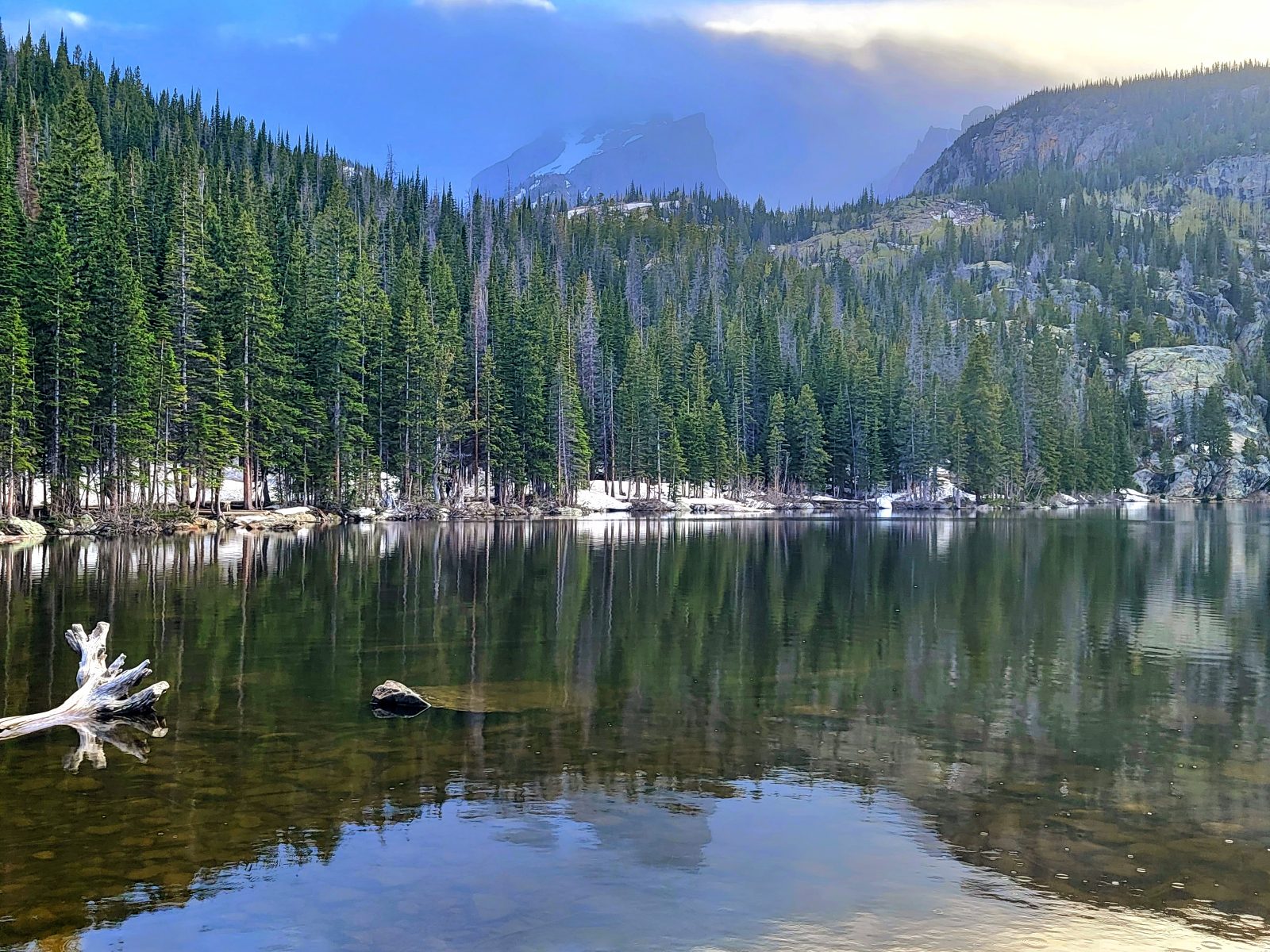
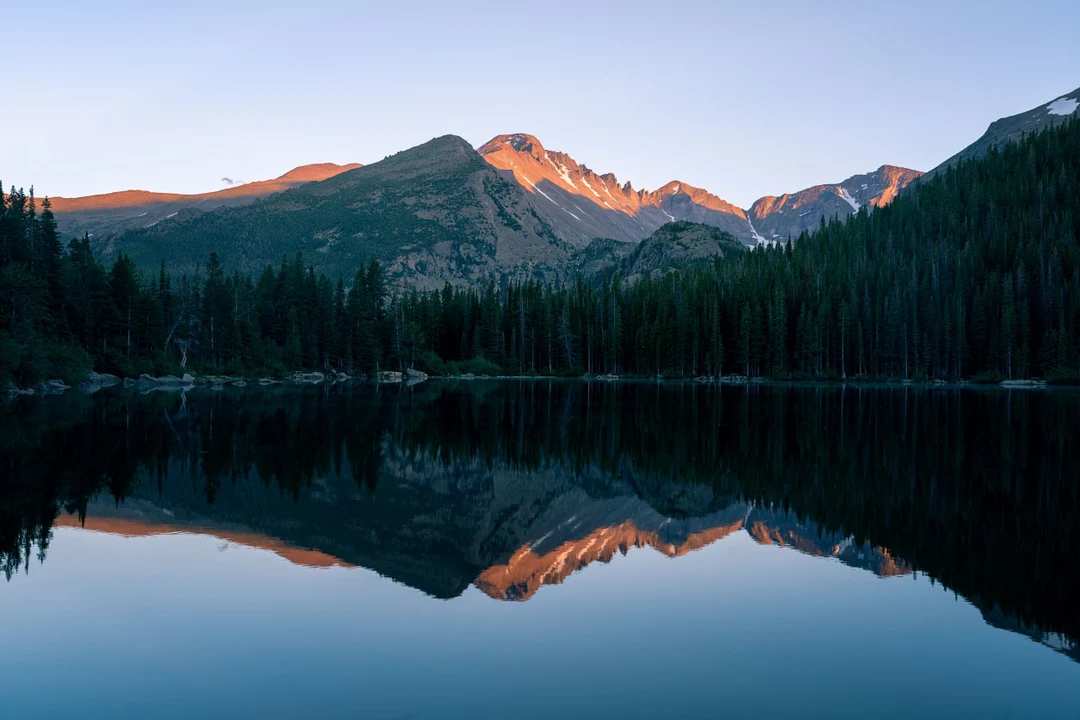
Stand on the wooden dock at the edge of the water to capture the reflection of Hallett Peak. This location is easily reached via accessible paths from the main parking area.
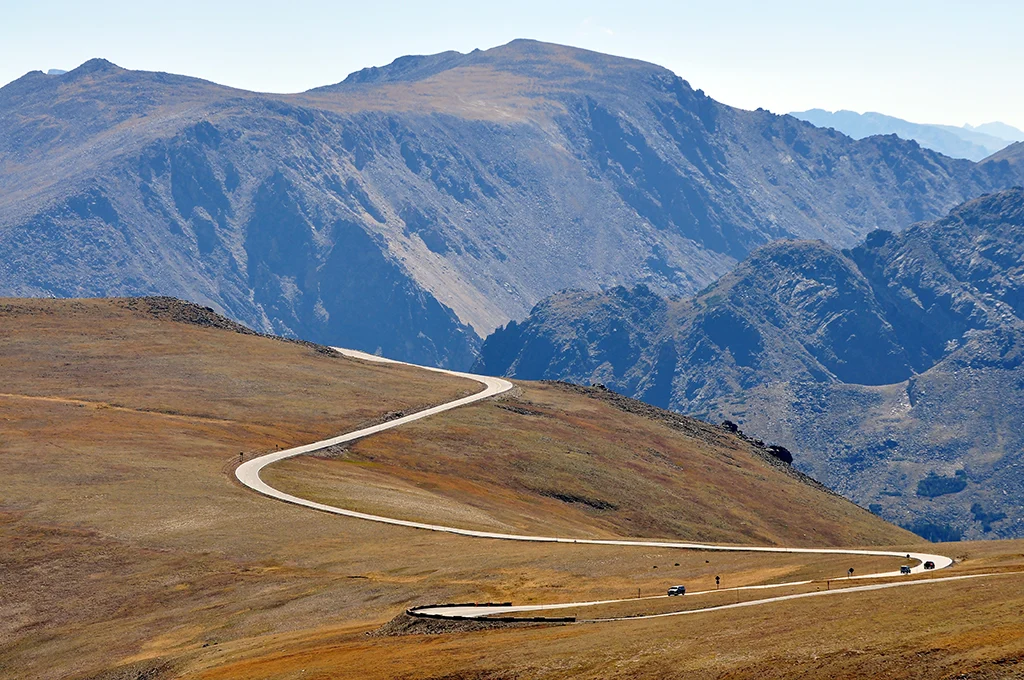
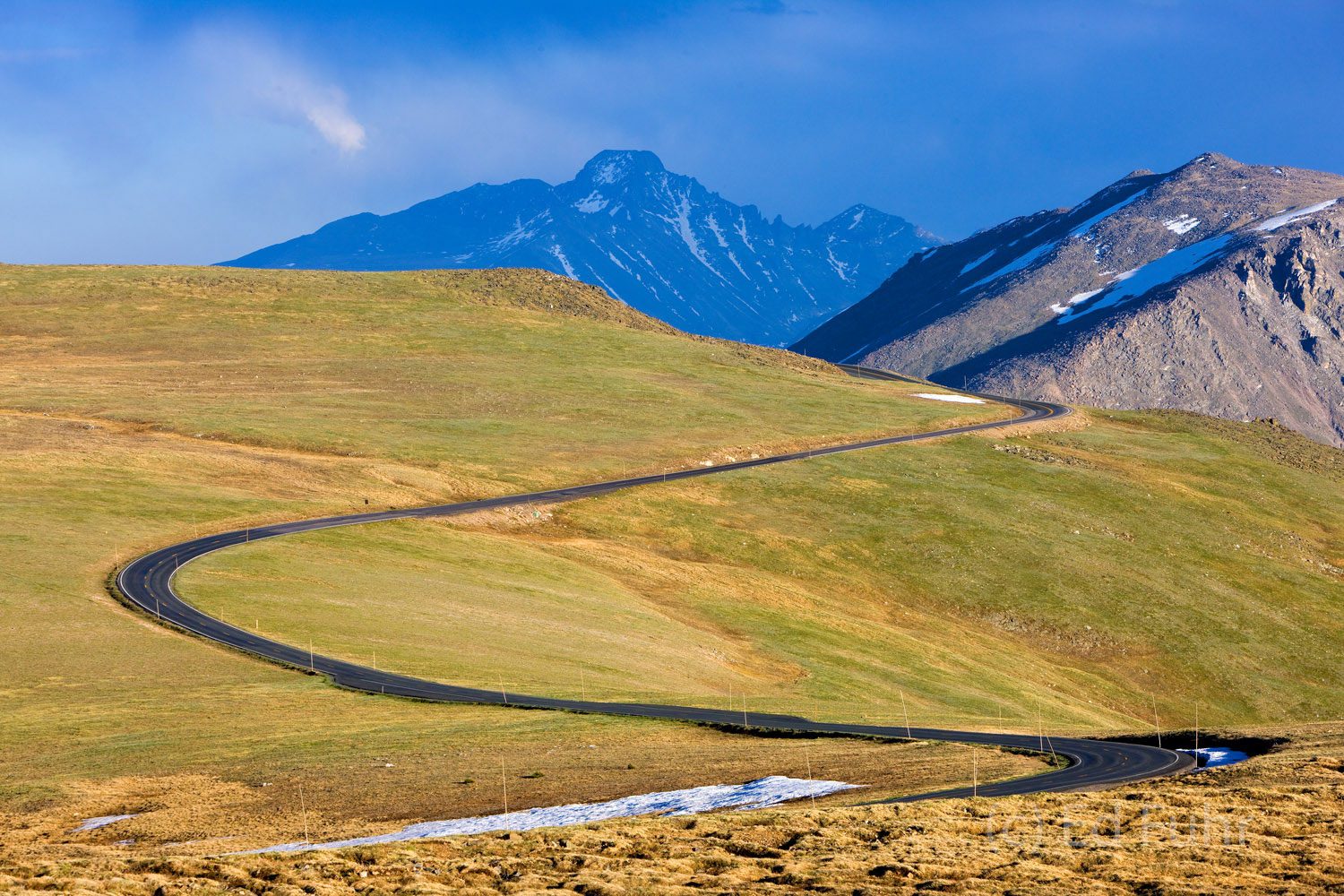
This high-altitude scenic byway offers expansive vistas of the alpine tundra and surrounding peaks. Photographers often pull over at designated turnouts to document the vast Continental Divide landscape during rocky mountain national park tours from denver.
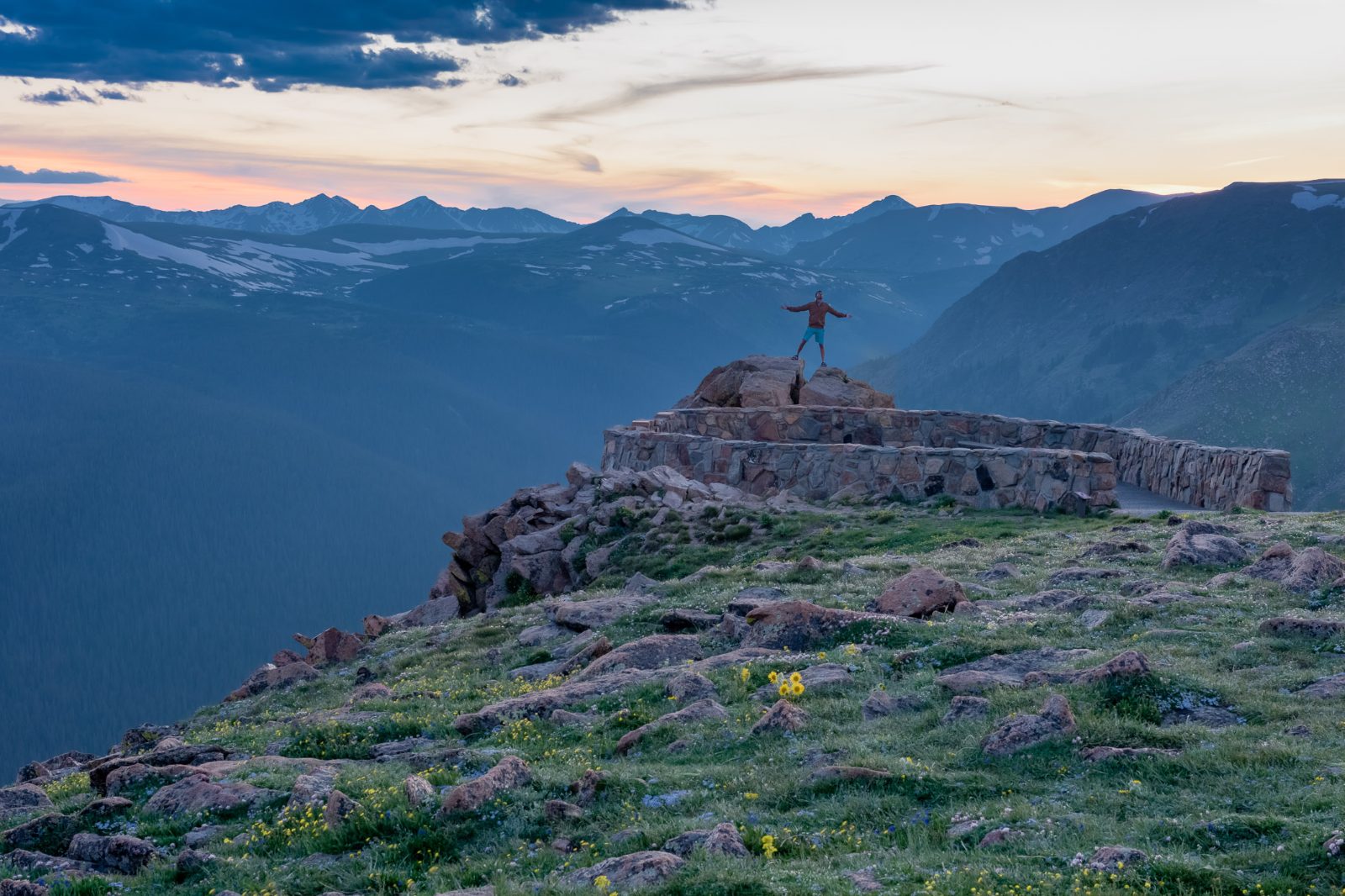
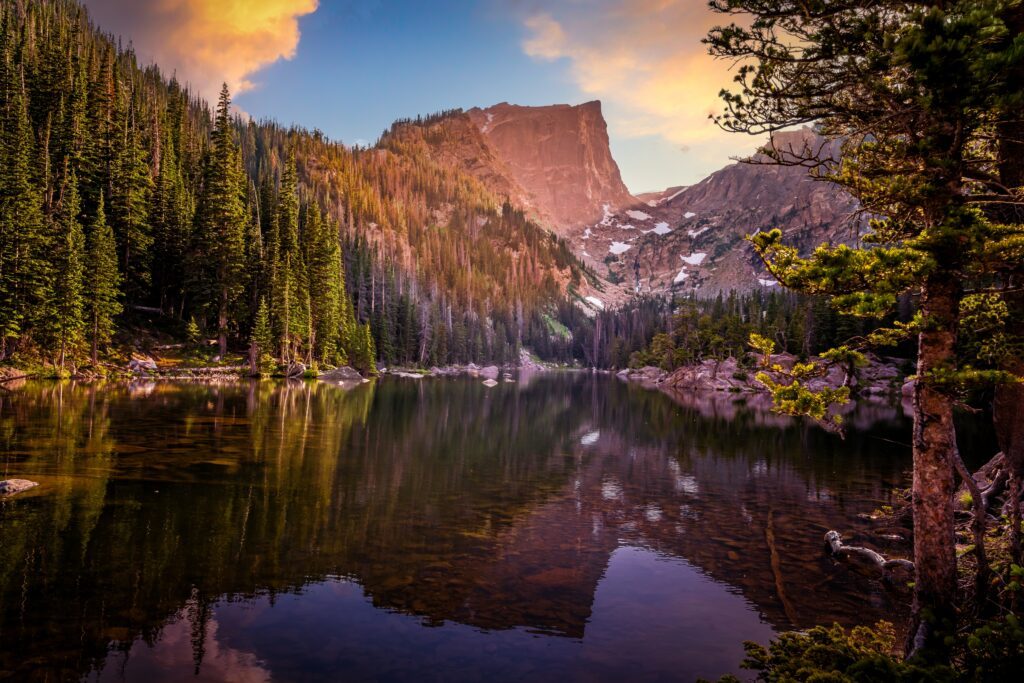
Position your camera along the stone wall to frame the deep glacial valley and jagged peaks in the distance. The vantage point provides a clear perspective of the dramatic drop and rugged terrain found on many rocky mountain national park tours from denver tours.
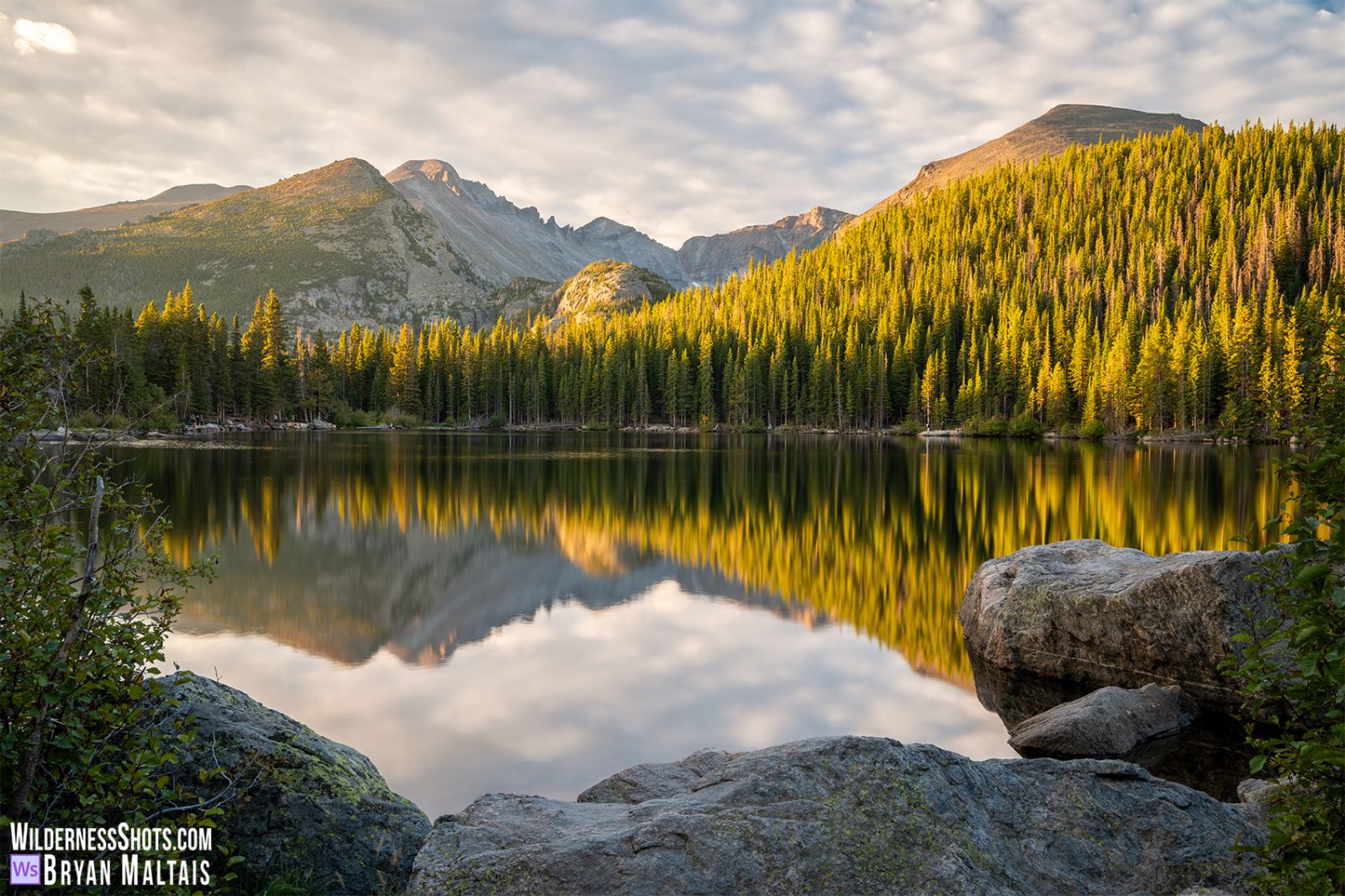
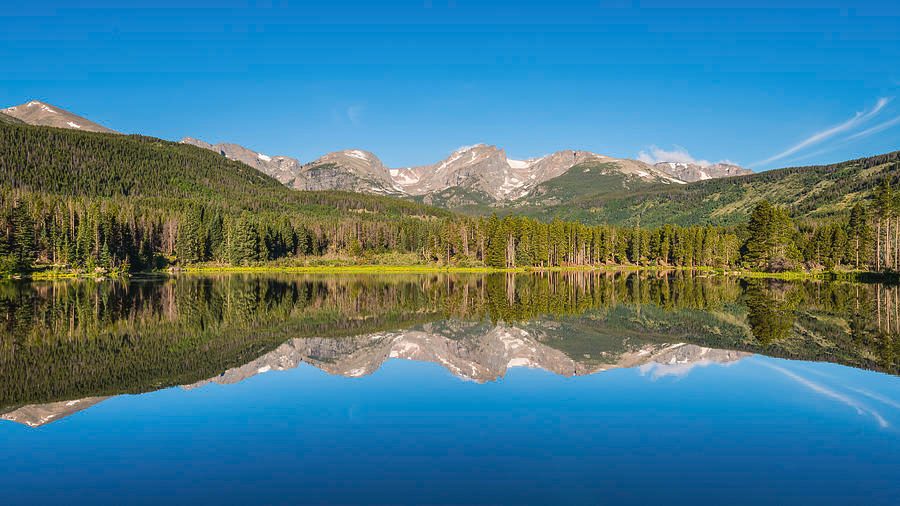
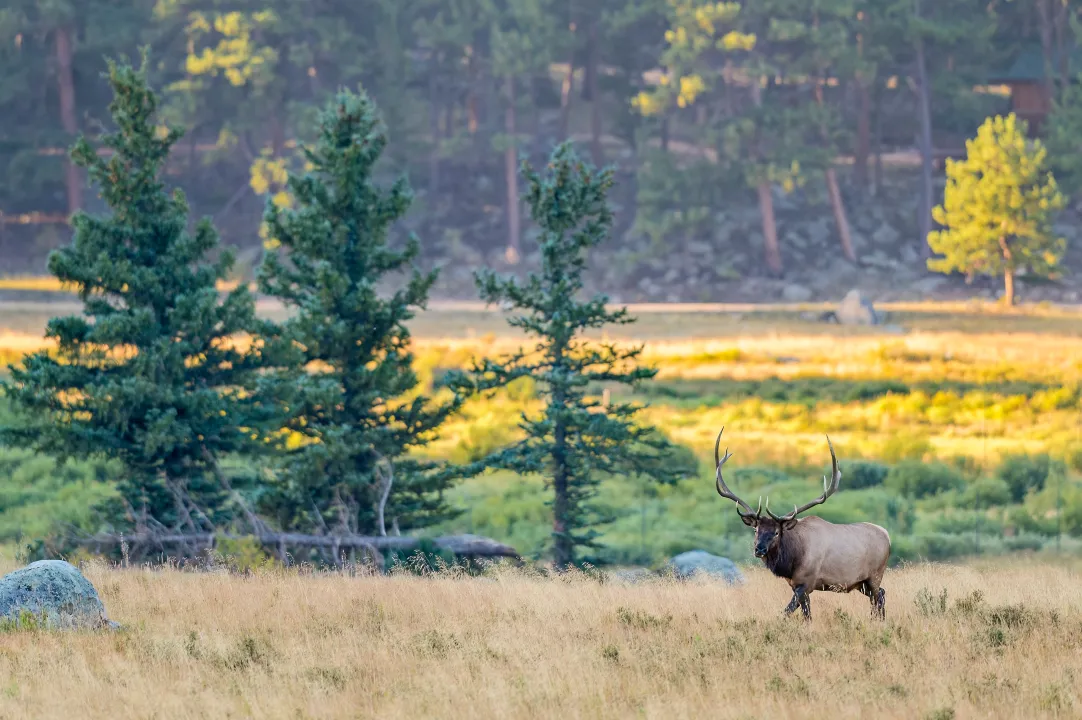
Walk the flat perimeter trail to find an angle that captures the mountains mirrored in the calm water. It is a favored spot for observing local wildlife against a mountain backdrop during rocky mountain national park tours from denver tickets.
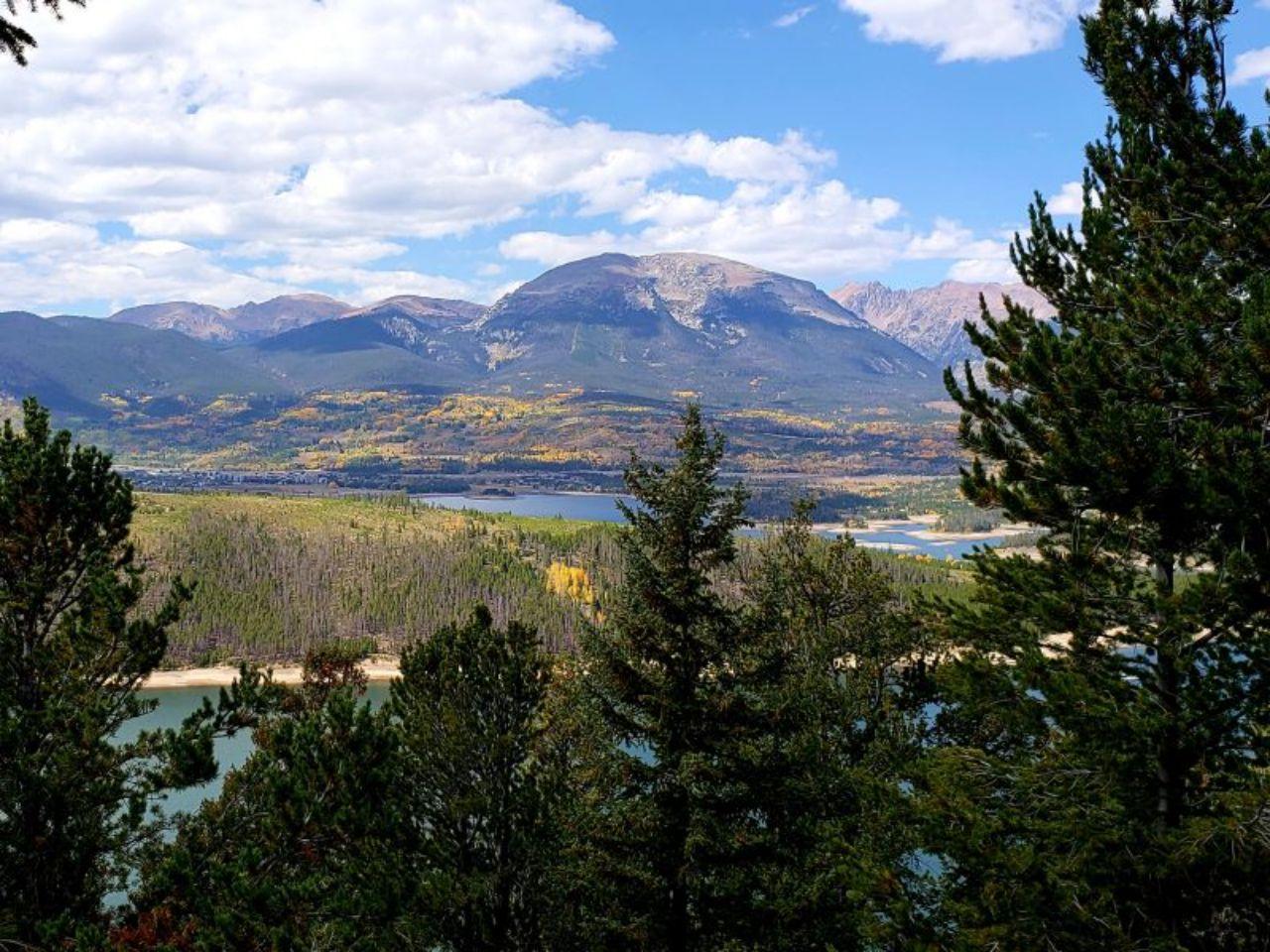
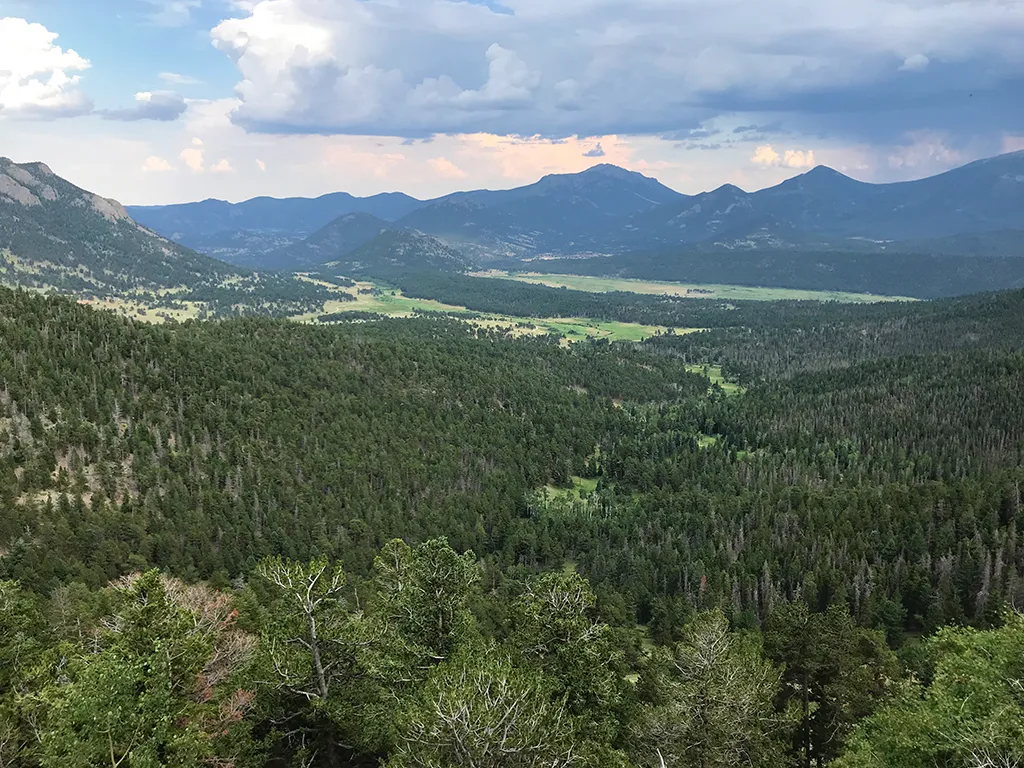
Capture a wide panoramic shot of the Estes Park valley and the distant mountain ranges from this prominent pullout. It remains a classic subject for those booking a guided rocky mountain national park tours from denver tour.
Dining options within park boundaries are extremely limited, so most visitors on rocky mountain national park tours from denver choose to grab supplies before entering. Estes Park, located just outside the entrance at 1000 US Hwy 36, Estes Park, CO 80517, provides the most reliable selection of mountain town eateries.
Located near the park entrance, this restaurant focuses on locally sourced ingredients. It is a popular spot for a sit-down meal after finishing rocky mountain national park tours from denver tours.
Real experiences from real travelers
Our guided excursion from Denver to the park exceeded expectations. We spotted a bull elk at Moraine Park and hiked to Alberta Falls with a knowledgeable naturalist who identified native plants along the trail. The drive up Trail Ridge Road offered continuous viewpoints above treeline.
Booked rocky mountain national park tours from denver through our hotel concierge. Pickup was prompt at 6:30 AM and we reached the park entrance before crowds. The guide chose Bear Lake trail based on our fitness level and we completed the loop with time for lunch at a scenic pullout overlooking the Continental Divide.
Rocky Mountain National Park delivered incredible wildlife encounters on our tour. We observed a herd of bighorn sheep near Sheep Lakes and multiple marmots on the tundra. Our guide carried a spotting scope which made distant animals visible. The alpine environment felt untouched.
The rocky mountain national park tours from denver covered major highlights but felt compressed into one day. We spent 20 minutes at Sprague Lake and 30 at the Alpine Visitor Center. Would have preferred more time on trails rather than just photo stops at overlooks. Still, the scenery was remarkable.
Took a spring tour when snow still capped the peaks. Our group hiked Emerald Lake trail and saw fresh snowmelt creating waterfalls on every cliff face. The guide explained glacial geology and pointed out where ice sheets carved the valleys. Trail Ridge Road was still closed but lower elevations were spectacular.
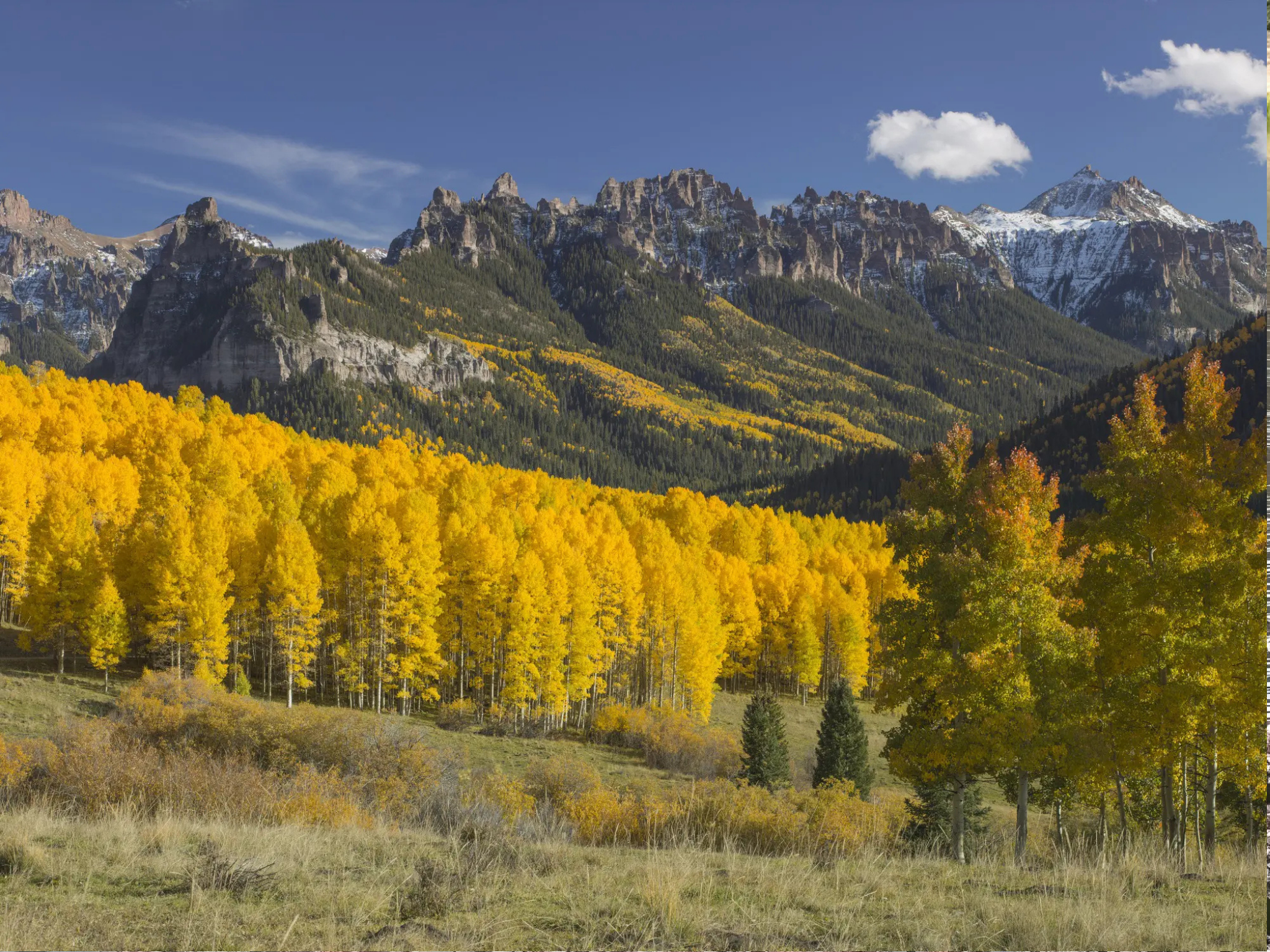
September tours from Denver to Rocky Mountain National Park showcased golden aspens against evergreen slopes. We drove Old Fall River Road, a one-way dirt route with tight switchbacks and constant views. Stopped at Alluvial Fan where a 1982 flood left massive boulders scattered across the valley.
Booked rocky mountain national park tour tickets for my family of four. The guide adjusted pace for our 8-year-old and chose easy trails like Lily Lake. Kids enjoyed identifying animal tracks and collecting Junior Ranger badges at the visitor center. Comfortable van with AC made the drive pleasant.
Golden hour light on Longs Peak from Many Parks Curve was worth the early departure from Denver. Our photography-focused tour stopped at Hidden Valley and Hollowell Park for composition opportunities. The guide knew which meadows had blooming wildflowers and timed our arrival at each location perfectly.
Driving above 12000 feet on Trail Ridge Road felt like entering another world. Rocky Mountain National Park tours from denver include stops where you can walk on fragile tundra and see plants adapted to extreme cold and wind. Our guide explained how the ecosystem functions above treeline with a growing season of just six weeks.
The naturalist leading our excursion had a graduate degree in ecology and transformed the drive into an outdoor classroom. She explained fire succession patterns in lodgepole pine forests and how snowpack feeds the Colorado River watershed. Learned more in one day than reading guidebooks.
Everything you need to know for your journey
Rocky Mountain National Park is open 24 hours a day, 365 days a year. Certain facilities and roads have seasonal closures.
You do not need tickets for the park itself, but you may need a timed entry reservation and a park pass. Check the official site to secure your required entrance pass.
The entrance fee is 30 USD (Standard per-vehicle 1-day pass; additional per-person nonresident fee applies).
Yes, you are encouraged to bring your own food and water, but you must store all items securely to avoid attracting wildlife. Leave no trace principles apply.
For the best experience, aim to arrive between 00:00–07:00 to avoid peak congestion and secure parking.
Yes, the park is suitable for families, though children should be supervised on trails and near wildlife.
The address is 1000 US Hwy 36, Estes Park, CO 80517.
Pets are restricted in most areas of the park; they are only permitted in areas accessible by vehicles such as parking lots and campgrounds.
You can drive via US Hwy 36 or use seasonal bus services from Denver and Boulder.
The highest point in the park at over 14,000 feet.
A pristine subalpine lake with accessible loop trails.
A lush valley on the west side featuring river views.
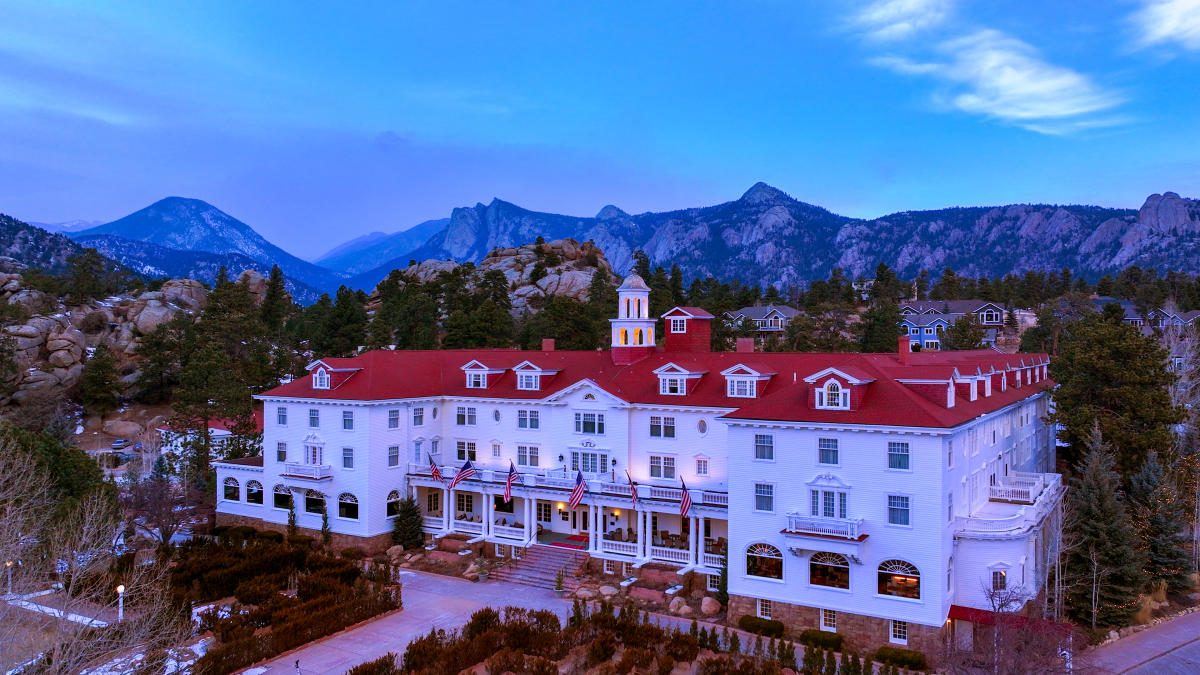
A historic hotel in Estes Park known for its architecture.
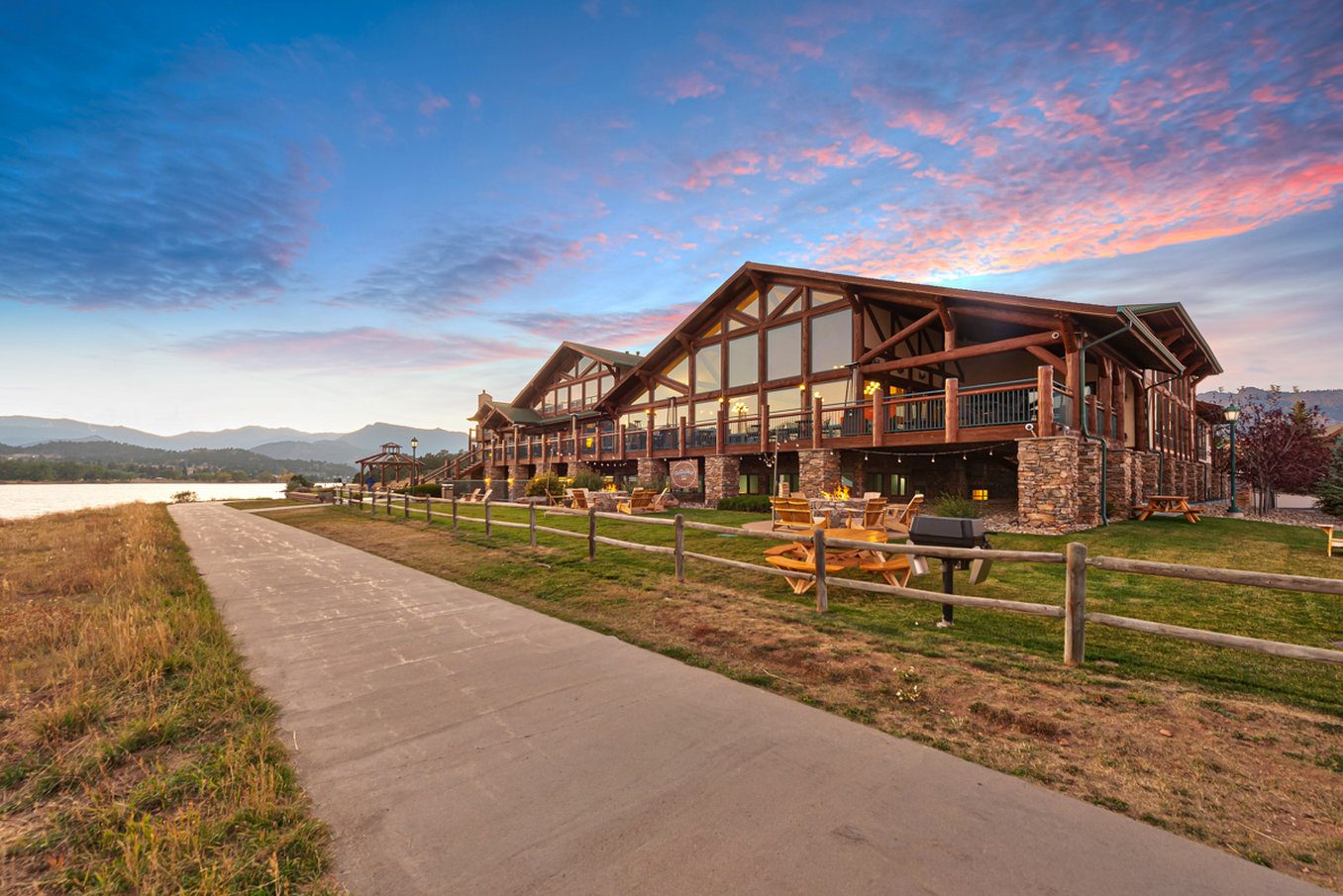
Lakeside lodging near park entrance
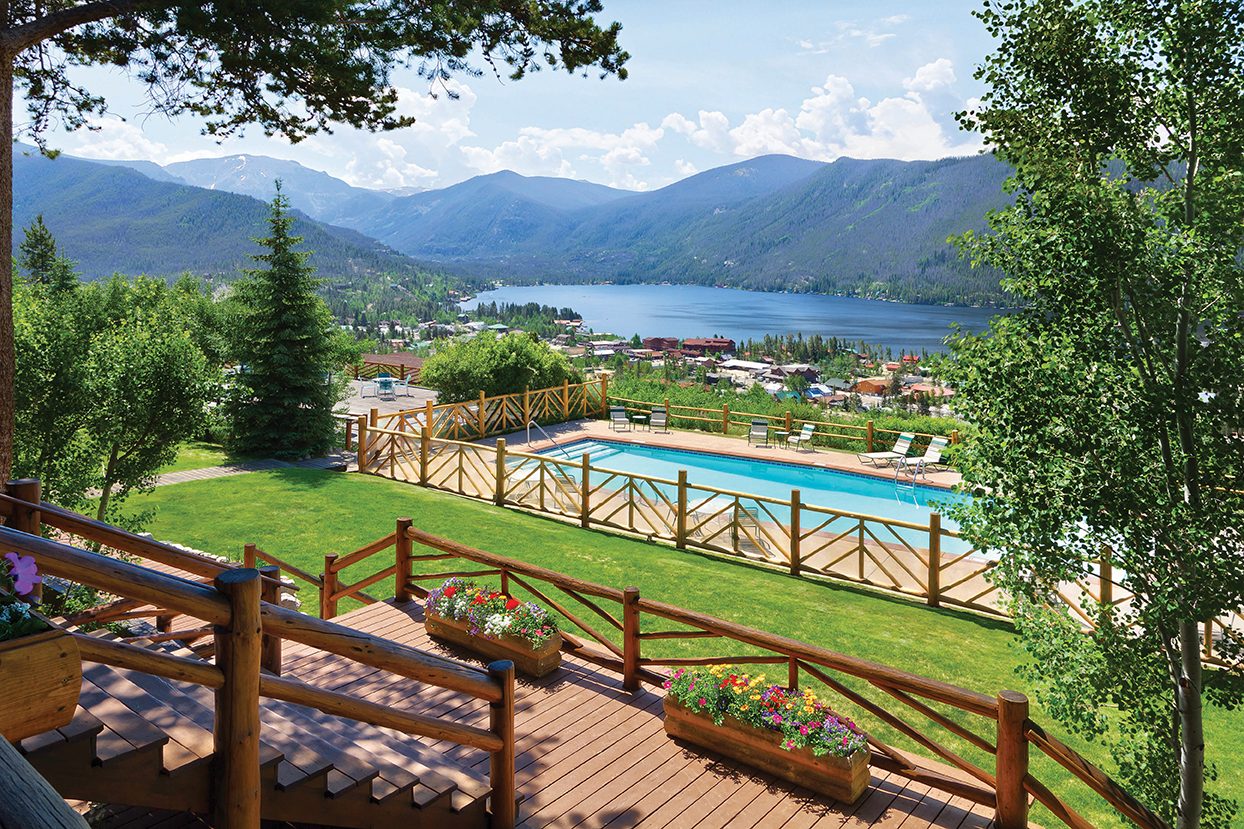
Historic lodge overlooking the lake
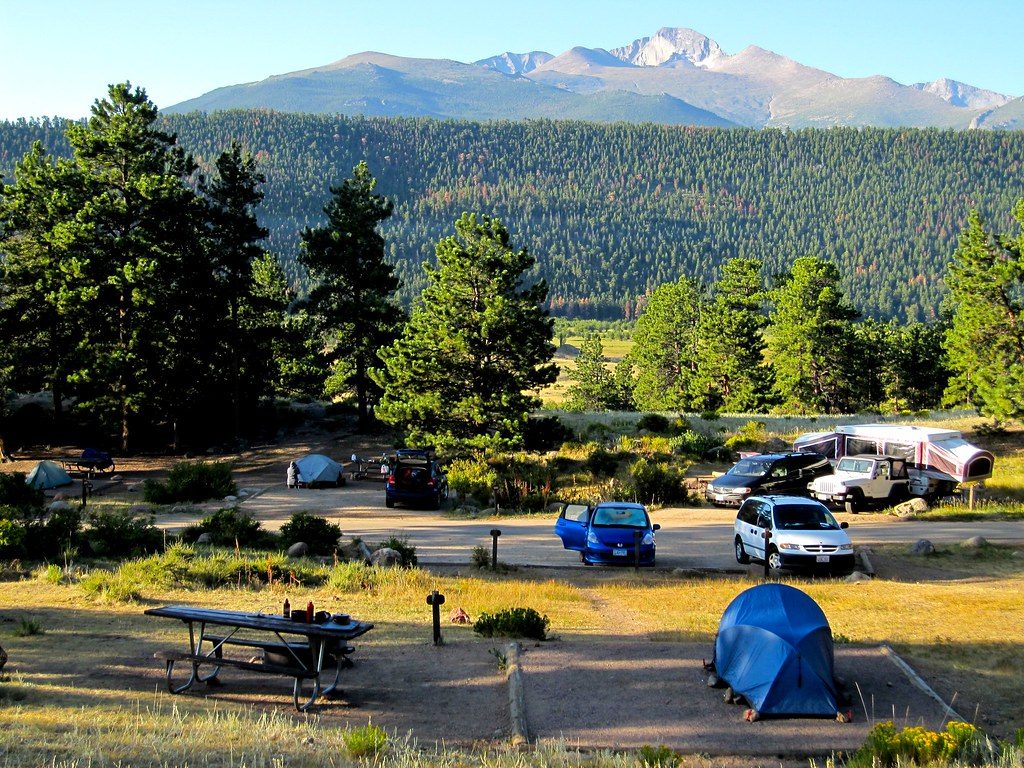
Camping inside park boundaries
Join thousands of happy travelers who have discovered this incredible experience
Book Your Experience Now